 To view more of my photography please click on www.rakmilphotography.com
They tell me these are common but it’s a treat when I see one.
To view more of my photography please click on www.rakmilphotography.com
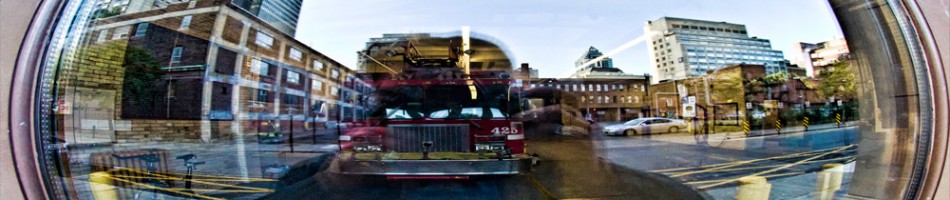
They tell me these are common but it’s a treat when I see one.
 To view more of my photography please click on www.rakmilphotography.com
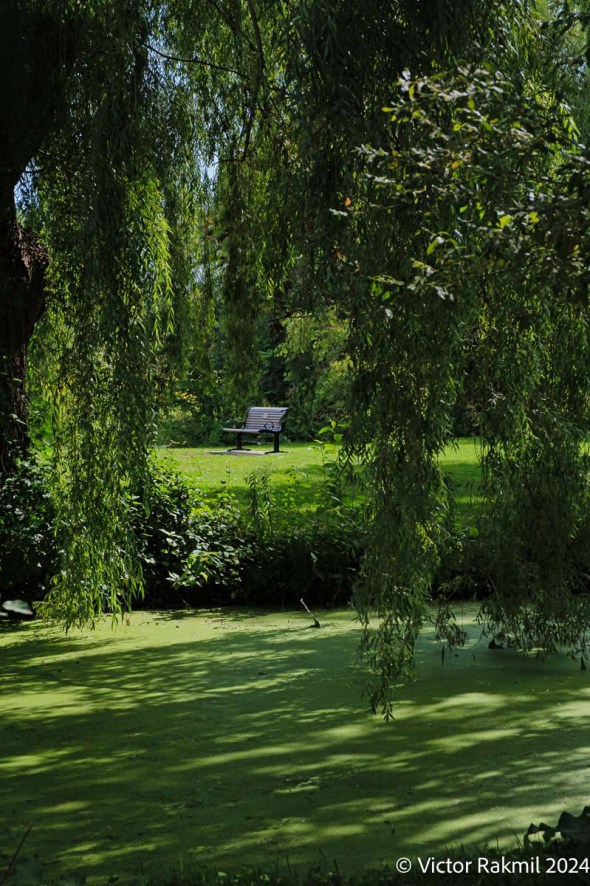
Like yesterday’s HDR, this one smoothed out the light. The pond is covered in green vegetation, would have been nice to see the water.
 To view more of my photography please click on www.rakmilphotography.com
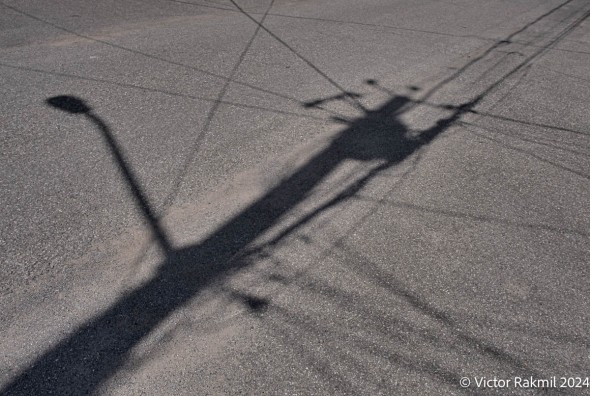
Another HDR. This time the HDR process helped with detail.
 To view more of my photography please click on www.rakmilphotography.com
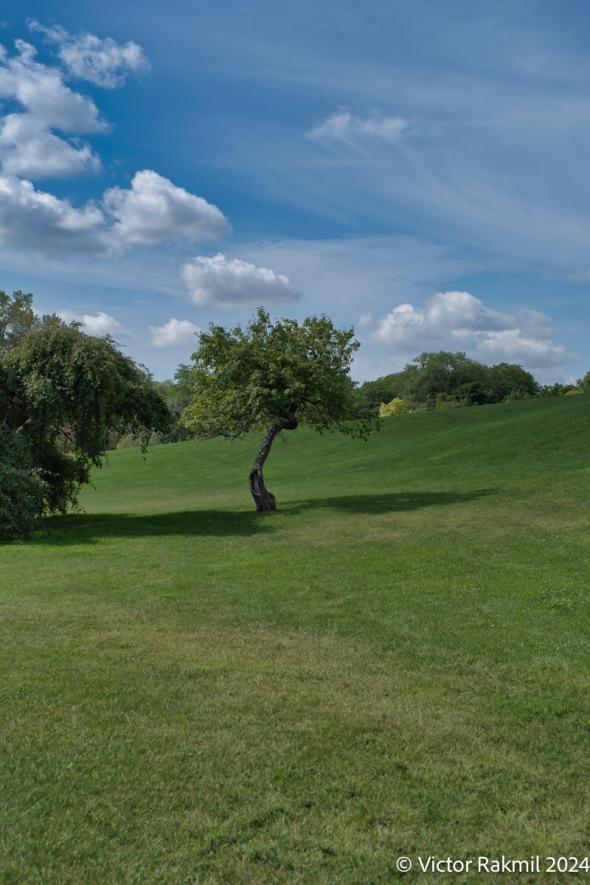
HDR smoothed out the light from front to back. One shot taken alone would not have this perfect range of light. HDR combines multiple shots of the same subject at different stops of light (2 under exposed, 2 over exposed and one just in the middle).
 To view more of my photography please click on www.rakmilphotography.com
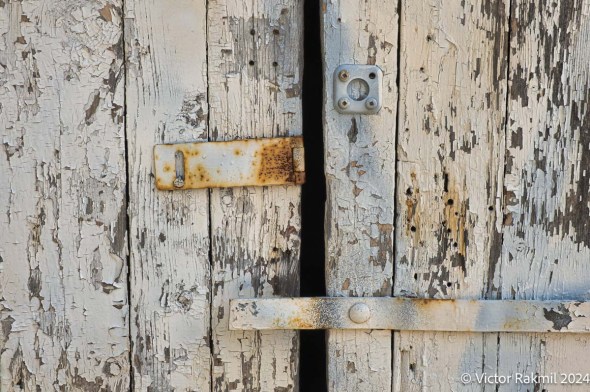
HDR image, white balance corrected.
 To view more of my photography please click on www.rakmilphotography.com
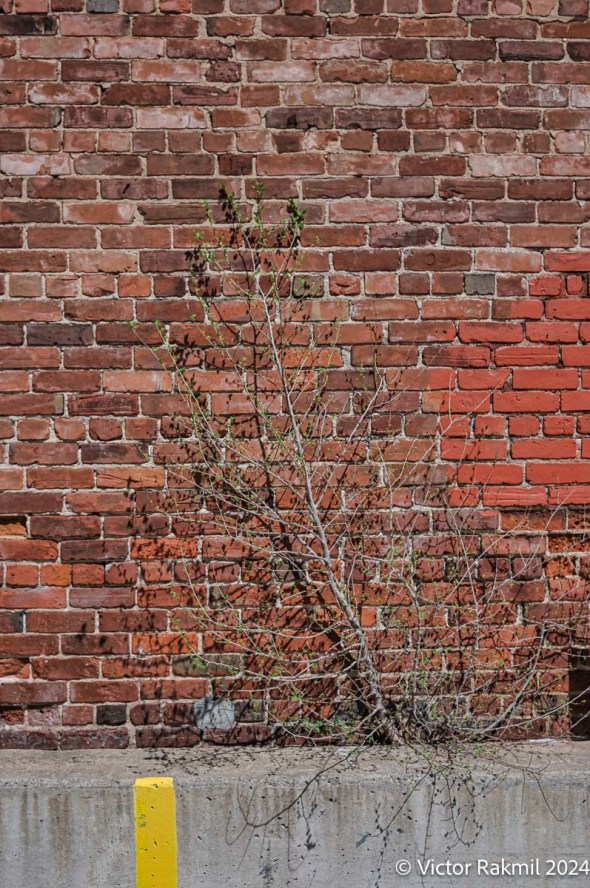
This is in High Definition Range (HDR) and then adjusted with other software. I use HDR to get the best natural lighting.
 To view more of my photography please click on www.rakmilphotography.com
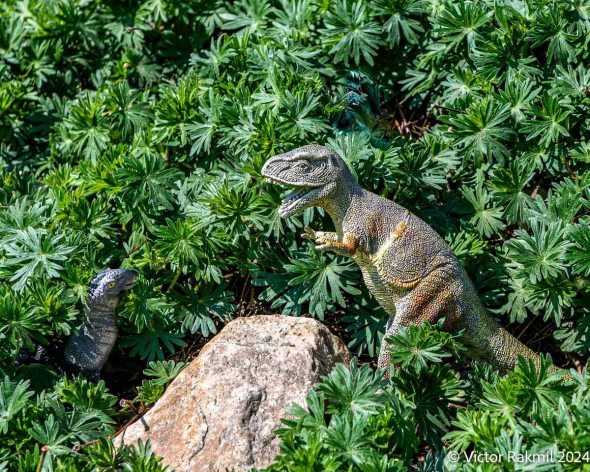
We live in interesting times.
 To view more of my photography please click on www.rakmilphotography.com
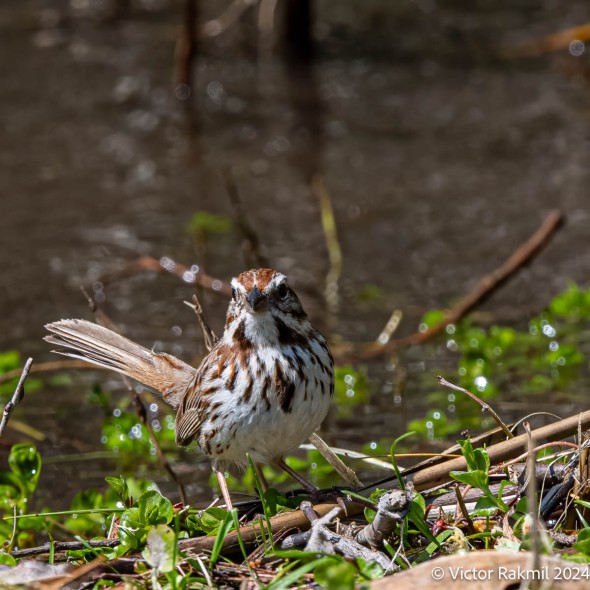
I wonder what it’s thinking.
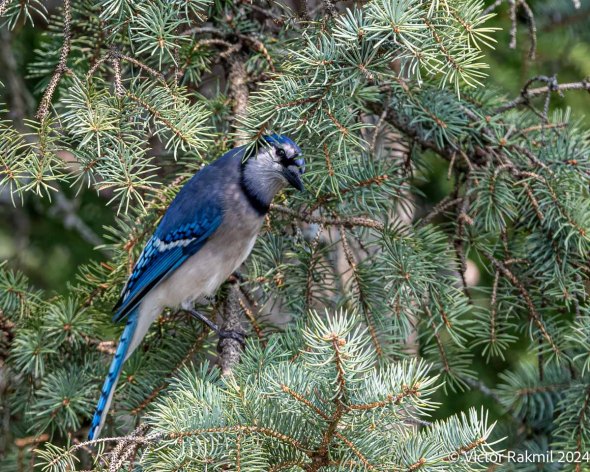 To view more of my photography please click on www.rakmilphotography.com
They are usually better at hiding.
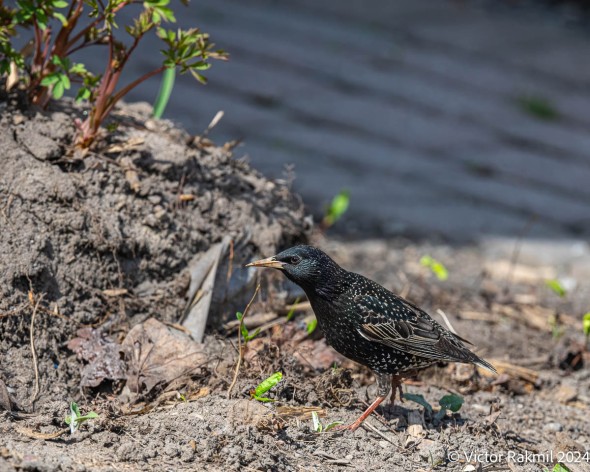 To view more of my photography please click on www.rakmilphotography.com
Determined bird.
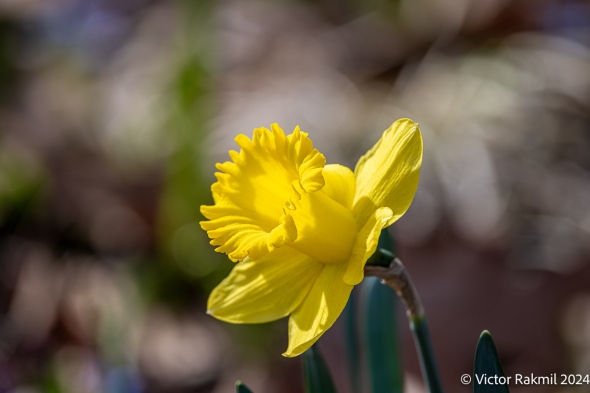 To view more of my photography please click on www.rakmilphotography.com
It’s that time of year.
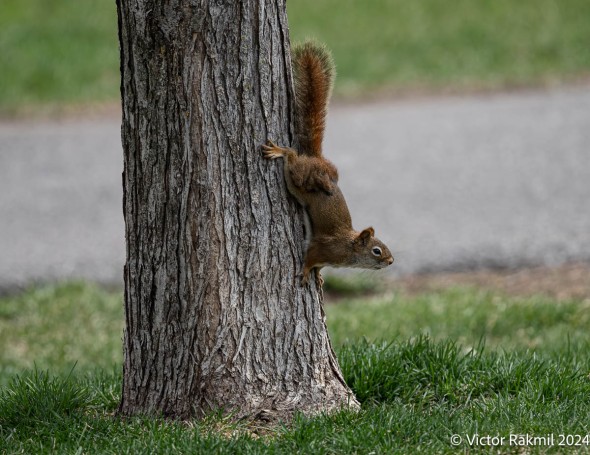 To view more of my photography please click on www.rakmilphotography.com
Assessing the safest route.
 To view more of my photography please click on www.rakmilphotography.com
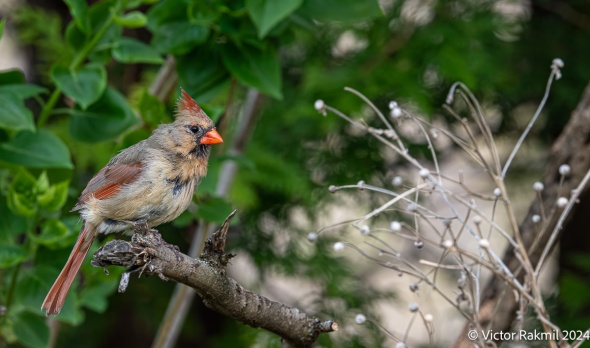
That wise look!
 To view more of my photography please click on www.rakmilphotography.com
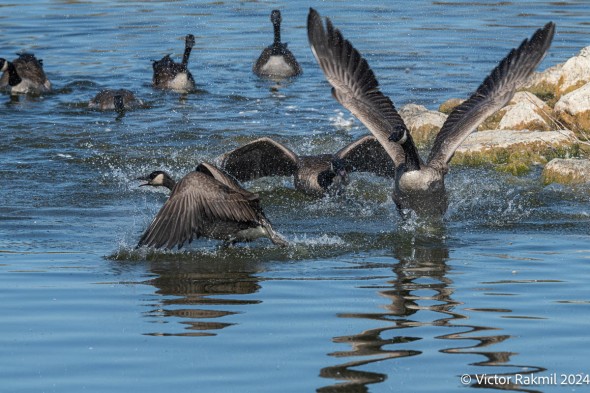
Better a spectator than participant.
 To view more of my photography please click on www.rakmilphotography.com
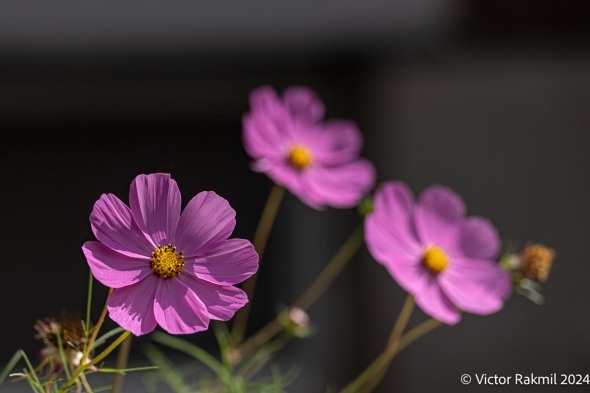
Not everything needs be in focus. Nor does the background need to colourful.
 To view more of my photography please click on www.rakmilphotography.com
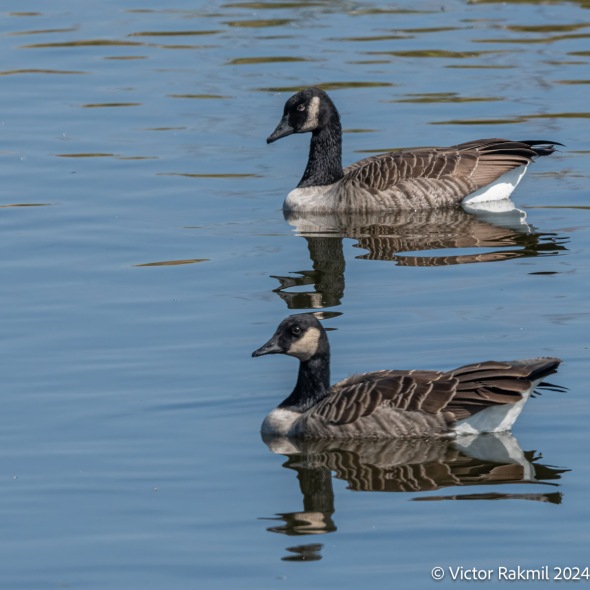
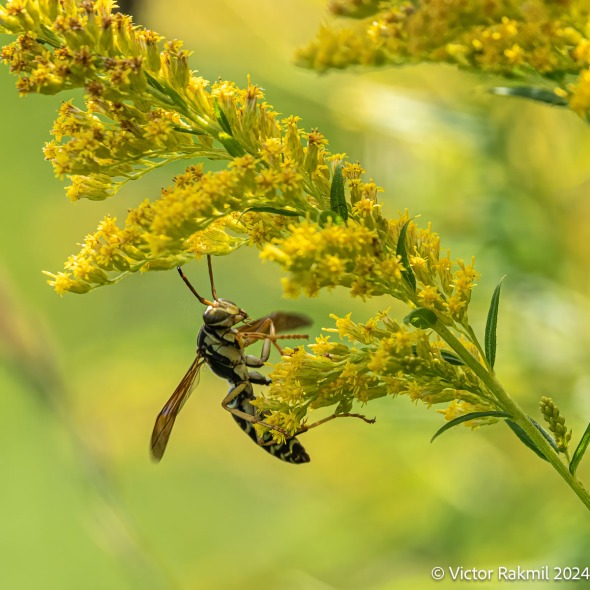
Sometimes quiet,
 To view more of my photography please click on www.rakmilphotography.com
Surprisingly reminiscent of some science fiction movies.
 To view more of my photography please click on www.rakmilphotography.com
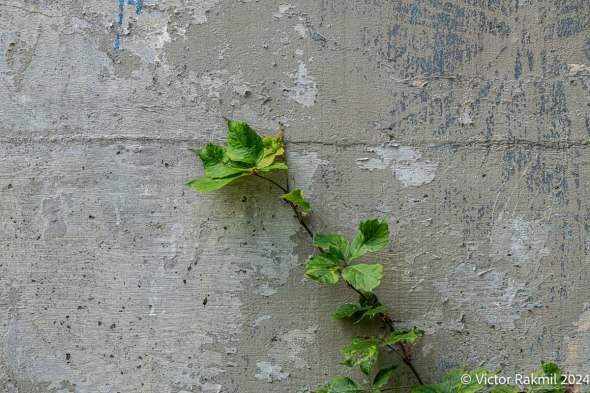
Minimalism still requires a good background and lighting.
 To view more of my photography please click on www.rakmilphotography.com
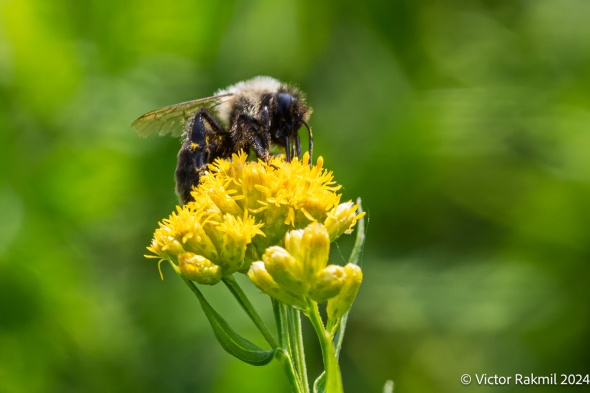
It’s all in the details. Too much sharpening and the dust on the bee lights up.
 To view more of my photography please click on www.rakmilphotography.com
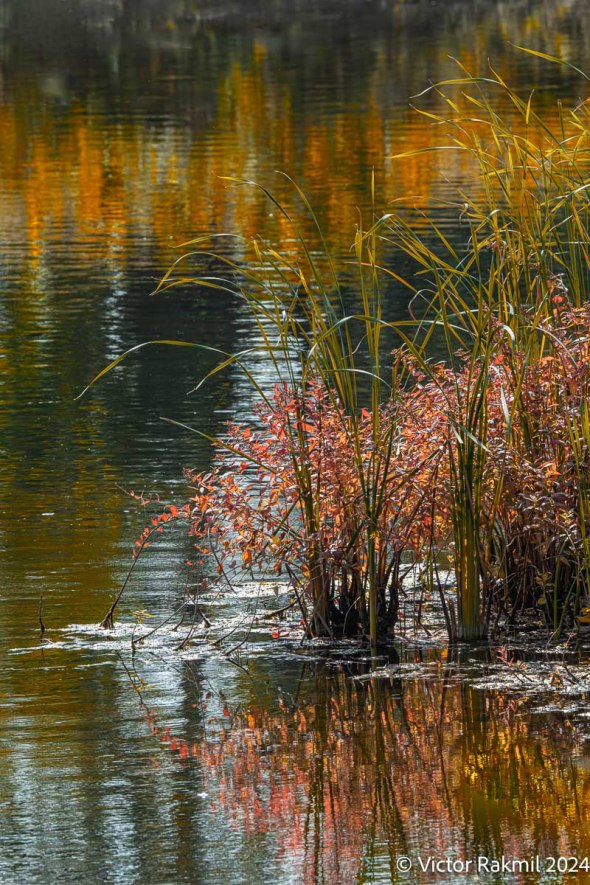
Last Fall.
 To view more of my photography please click on www.rakmilphotography.com
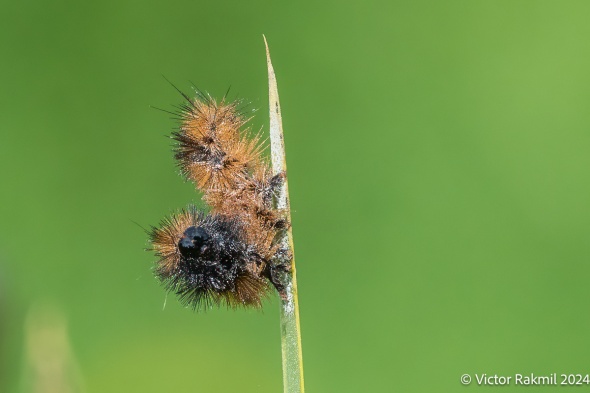
The detail on caterpillars can be confusing. It was only when I got home that I realized it was looking at me.
 To view more of my photography please click on www.rakmilphotography.com
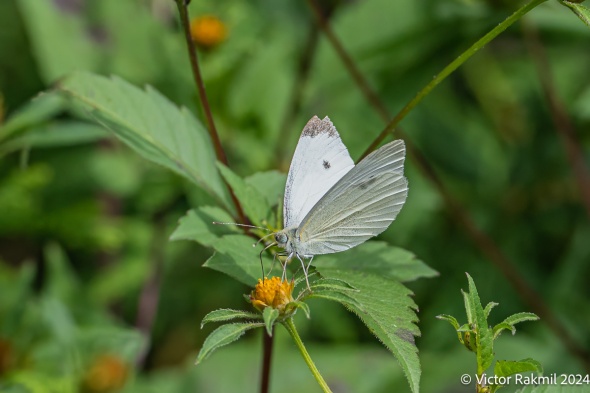
Butterfly composition: focus on wings, focus on action, focus on eyes or a combination of the three key elements in the same shot.
 To view more of my photography please click on www.rakmilphotography.com
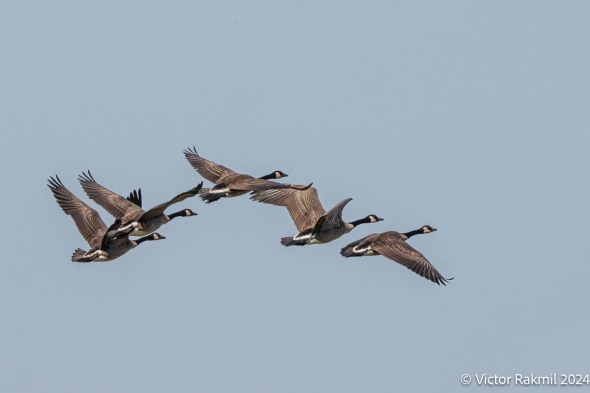
I won’t argue that taking birds in flight takes practice. What’s hard is getting a good composition.
 To view more of my photography please click on www.rakmilphotography.com
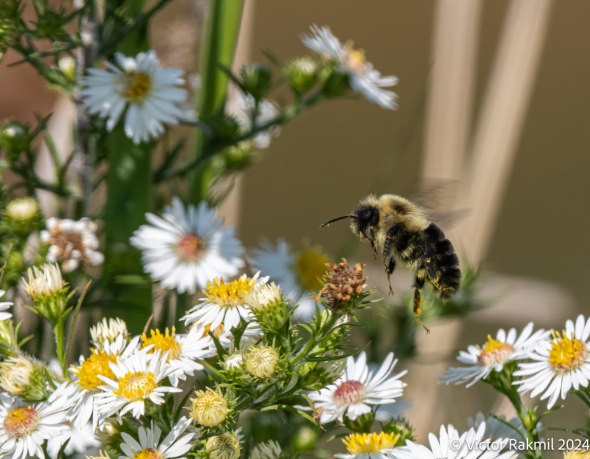
This is one of those lucky shots. I take many photos of bees, but seldom get one in flight.
 To view more of my photography please click on www.rakmilphotography.com
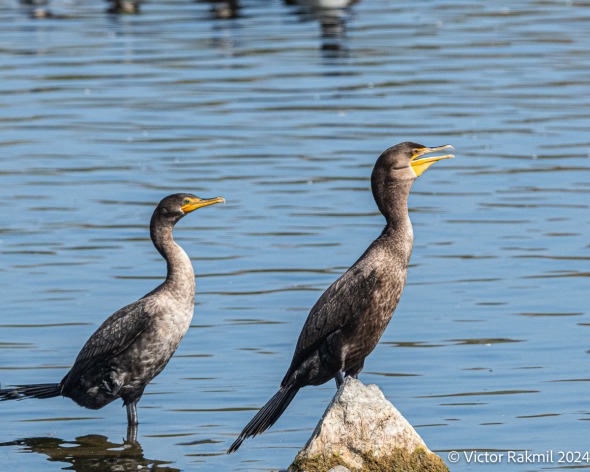
This was a messy shot, I knew what I wanted (it’s what you see). In editing a number distractions had to be eliminated to get exactly what I wanted.
 To view more of my photography please click on www.rakmilphotography.com
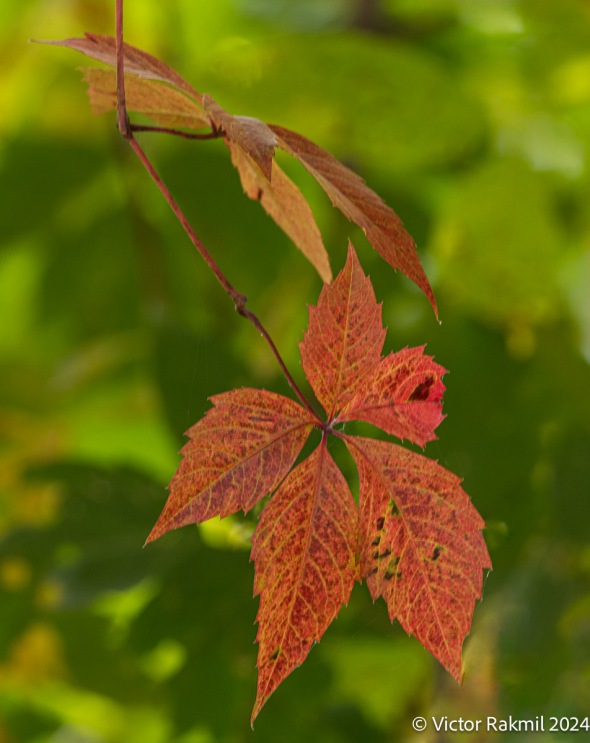
I do as little as possible in editing a shot. The important thing is to remain faithful to what I saw and why I took it.
 To view more of my photography please click on www.rakmilphotography.com
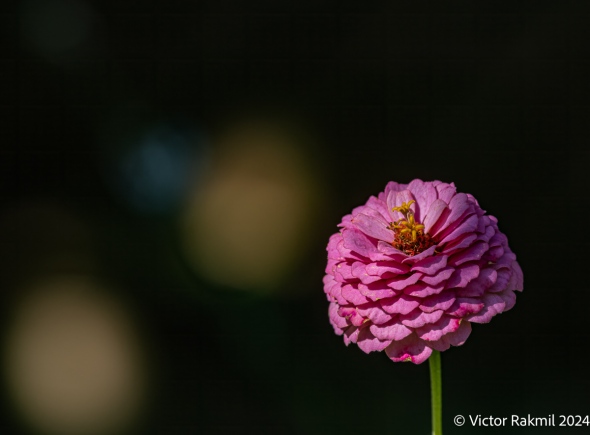
Compose as you take a shot. Cropping and other tools in post processing can help improve composition but in my view a nicely composed shot begins before you take the photo.
 To view more of my photography please click on www.rakmilphotography.com
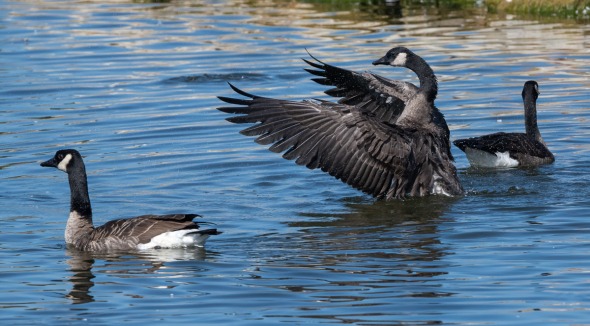
The animal equivalent of current politics in several countries.
 To view more of my photography please click on www.rakmilphotography.com
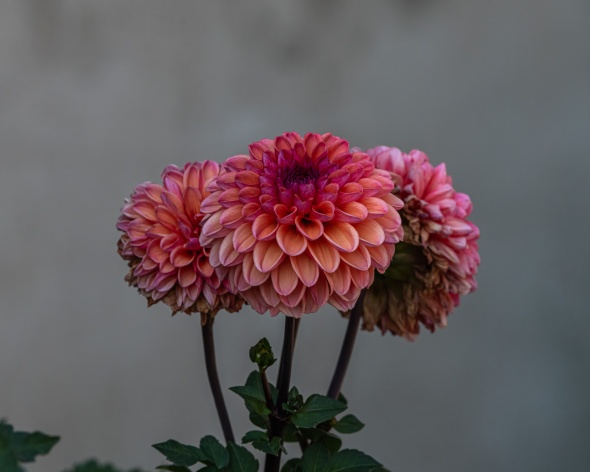
I saw this on a windowsill. Simple and wonderful flowers, background and position.
 To view more of my photography please click on www.rakmilphotography.com
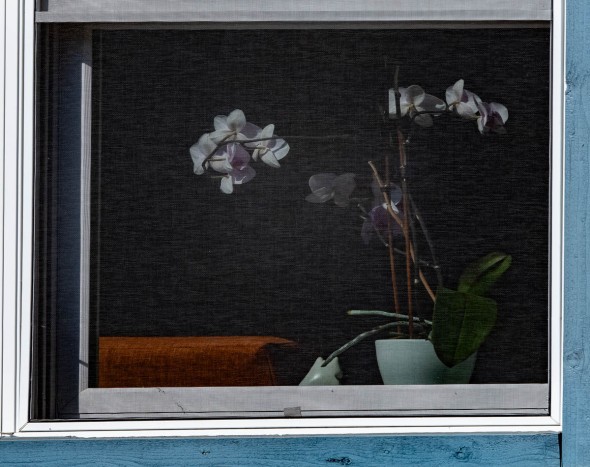
The screen gives an aged approach to the shot.
 To view more of my photography please click on www.rakmilphotography.com
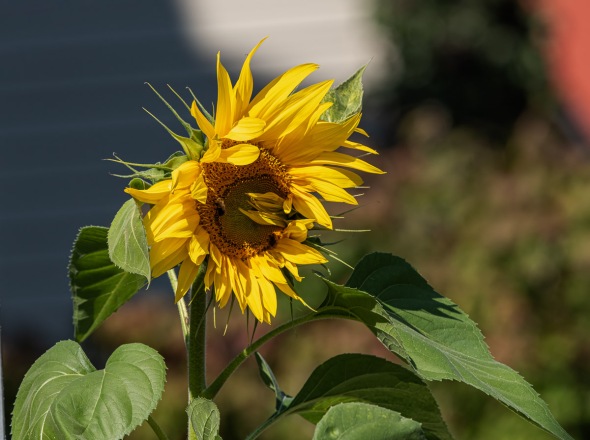
Sometimes sunflowers look great windblown.
 To view more of my photography please click on www.rakmilphotography.com
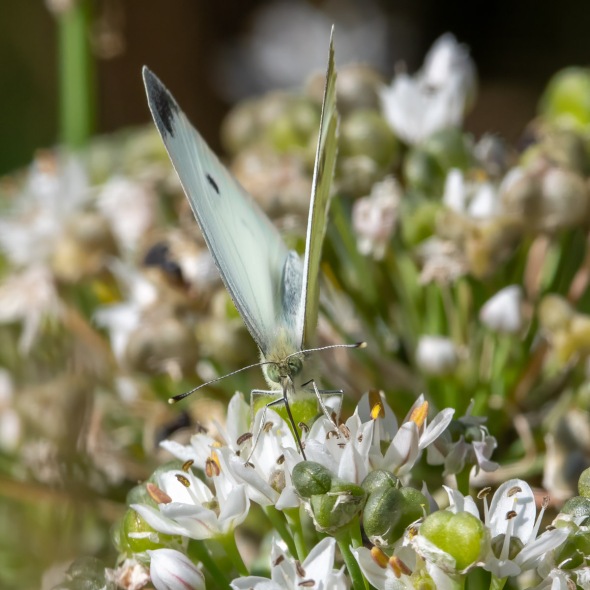
This is one of the most detailed photos I have taken of this type of Butterfly. Down to the speckled eyes and long proboscis.
 To view more of my photography please click on www.rakmilphotography.com
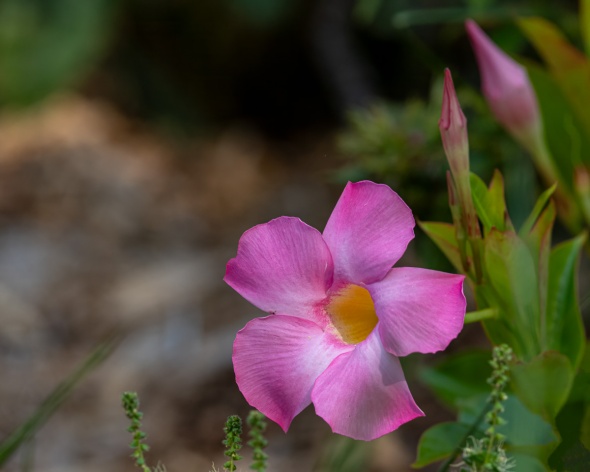
I found this photo odd for two reasons. It looks flat but in fact the yellow centre goes deep into the flower, you have to look to see it. Secondly, the stem comes out of nowhere. Still Iiked the shot well enough to post it.
 To view more of my photography please click on www.rakmilphotography.com
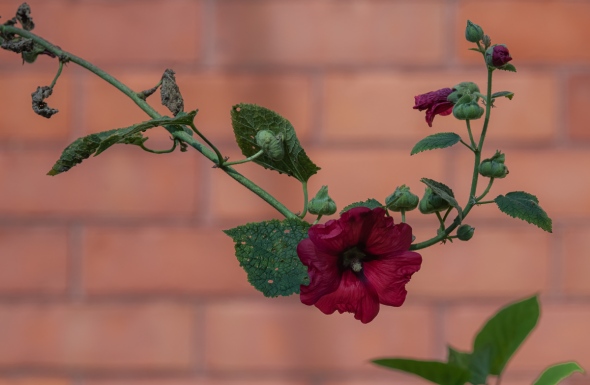
I liked the composition.
 To view more of my photography please click on www.rakmilphotography.com
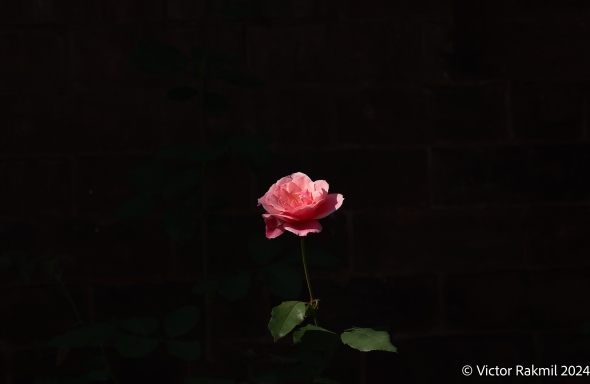
Sometimes good things come out from the dark.
 To view more of my photography please click on www.rakmilphotography.com
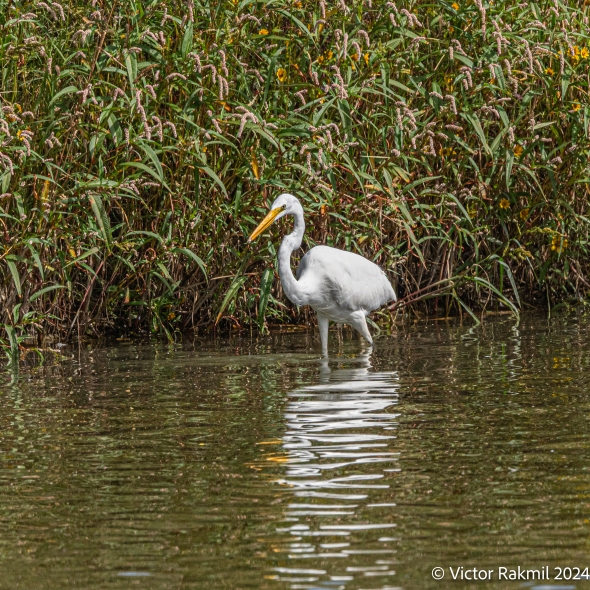
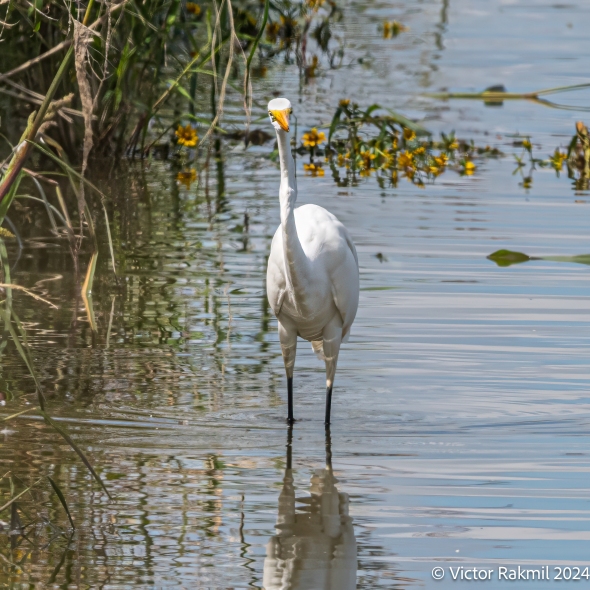
Egrets are like snow you have to underexpose for detail.
 To view more of my photography please click on www.rakmilphotography.com
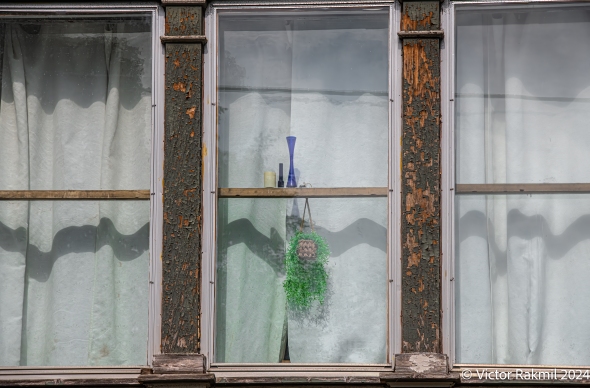
Another interesting window.
 To view more of my photography please click on www.rakmilphotography.com
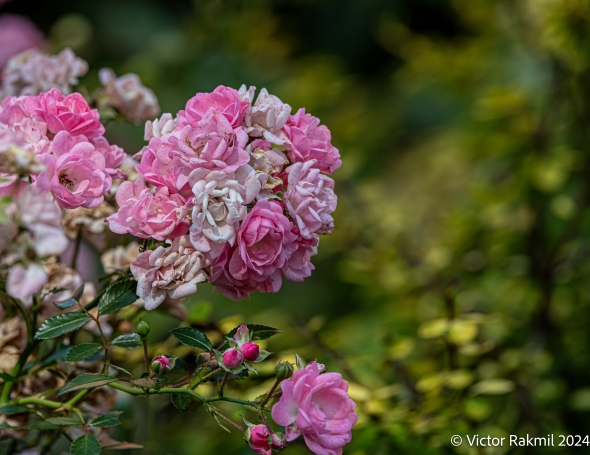
Nice natural arrangement.
 To view more of my photography please click on www.rakmilphotography.com
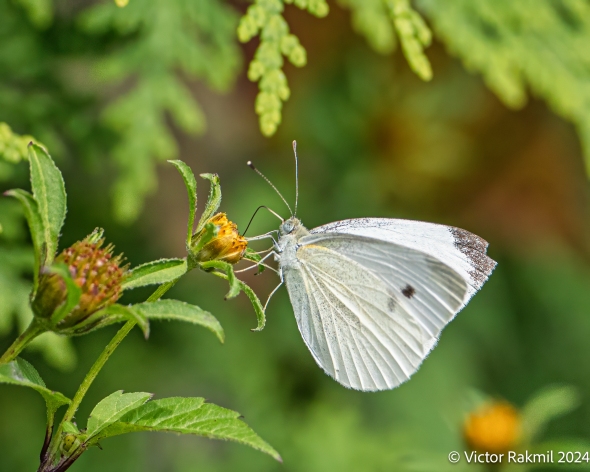
The most common butterfly last year.
 To view more of my photography please click on www.rakmilphotography.com
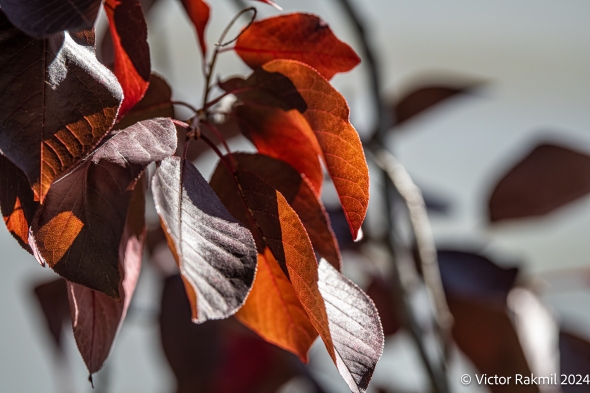
It seems that natural abstracts are everywhere, once you look.
 To view more of my photography please click on www.rakmilphotography.com
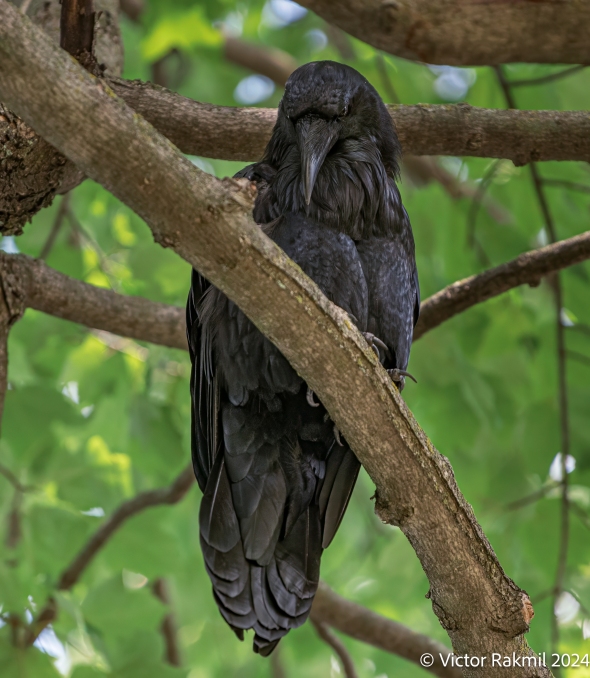
This is the second raven I have seen in the city, this one was quieter, than the nesting couple, I showed earlier.
 To view more of my photography please click on www.rakmilphotography.com
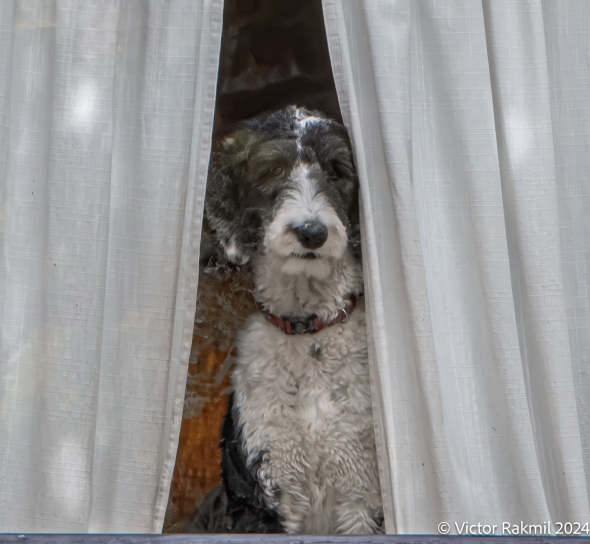
I have a thing for curious dogs.
 To view more of my photography please click on www.rakmilphotography.com
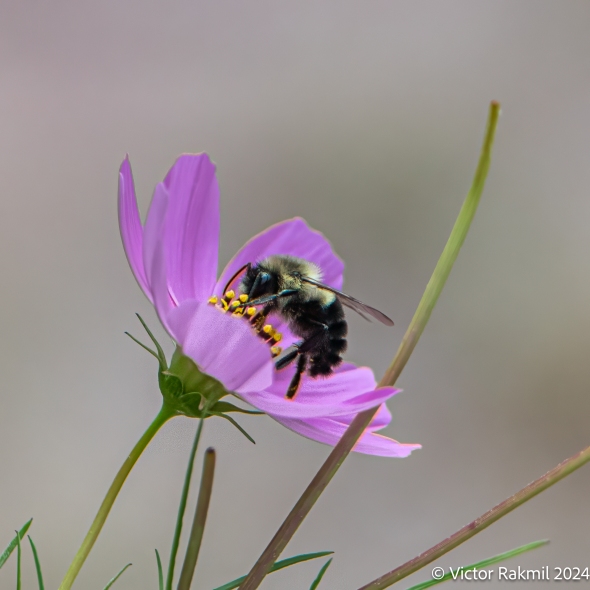
It is always interesting to photograph bees.
 To view more of my photography please click on www.rakmilphotography.com
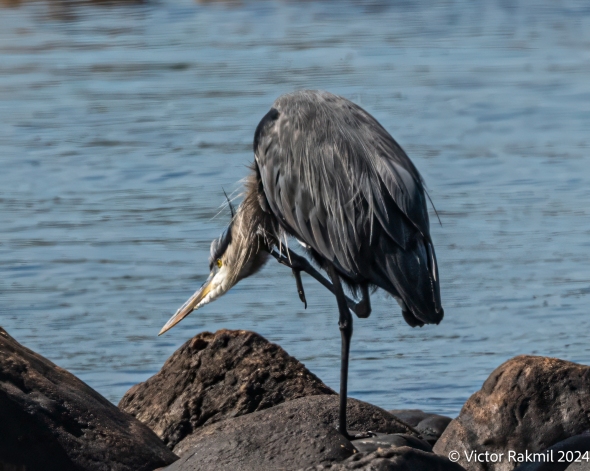
They can be quite the clowns.
 To view more of my photography please click on www.rakmilphotography.com
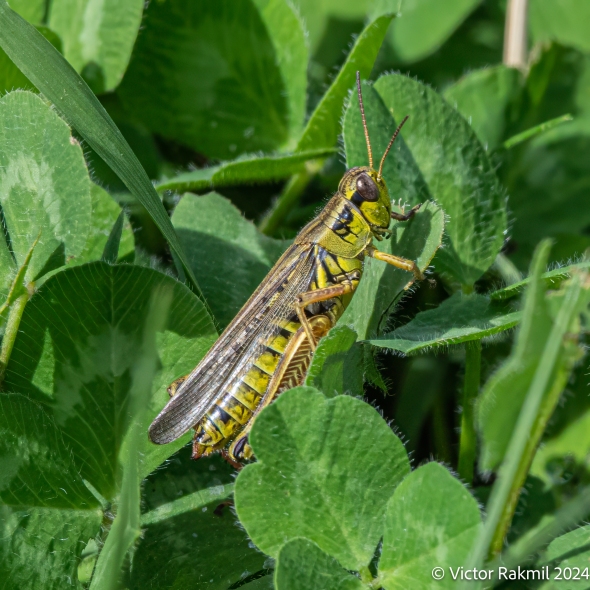
They have this idea that if they stay still you will go away.
 To view more of my photography please click on www.rakmilphotography.com
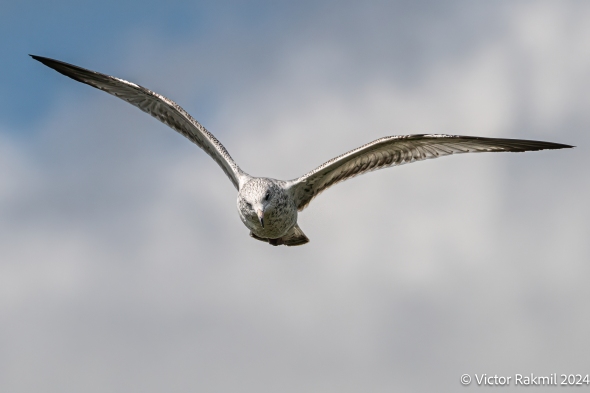
Wonderful subjects to shoot. I am using Topaz Photo AI for sharpening and noise removal. A very capable program.
 To view more of my photography please click on www.rakmilphotography.com
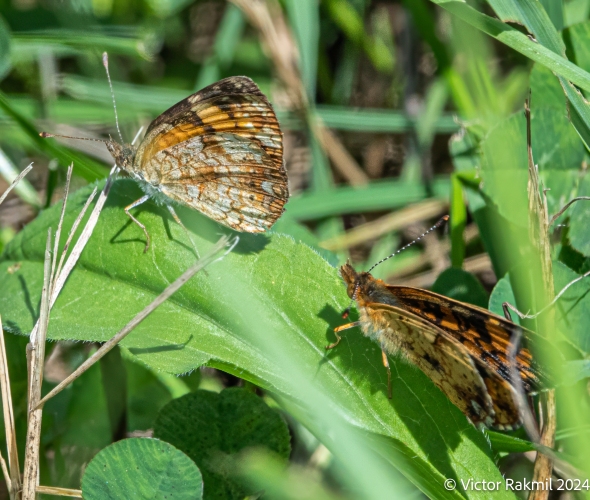
I am not sure if this was a chase, happenstance, or the beginnings of a courtship.
 To view more of my photography please click on www.rakmilphotography.com
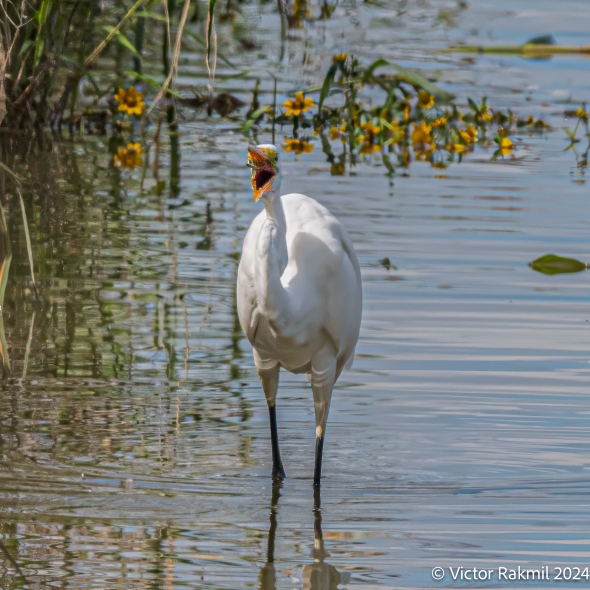
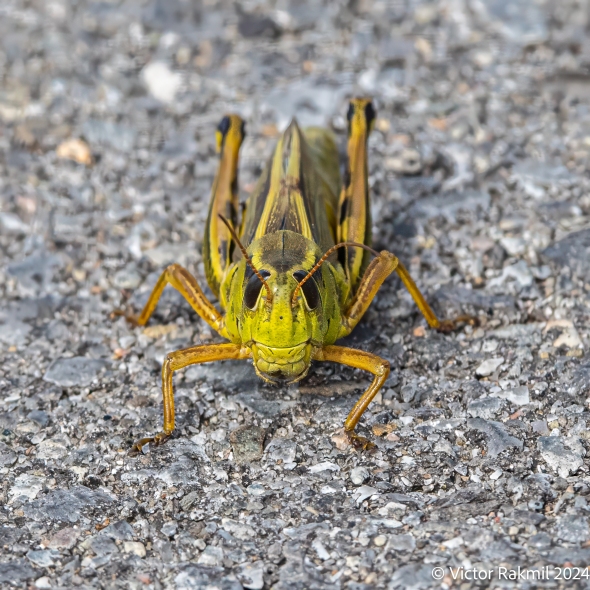
One look at me and it began screaming.
 To view more of my photography please click on www.rakmilphotography.com
Seems a good question in today’s world.
 To view more of my photography please click on www.rakmilphotography.com
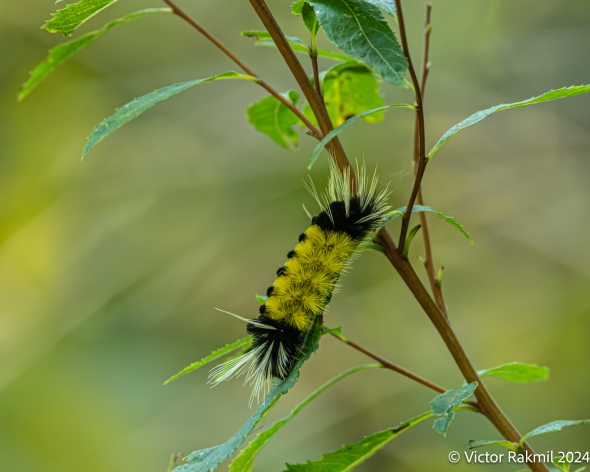
Wonderfully coloured creatures, I hope to take more shots of various caterpillars.
 Victor Rakmil Photography